Memil is a thin noodle made from buckwheat. It is similar to soba noodles. It's got a brownish color. It is mostly used in cold dishes.
This is dried black mushroom used in preparing Japchae. You take one of these and soak in hot water to plum back up. I sometimes use this in bibimbap too.
This is called kim. It's also known as nori in Japan. It's made from seaweed. It's used to wrap rice when making rice rolls like kimbap. This pack contains 10 sheets of dried laver.
Dashima is a kind of dried seaweed mainly used in making broth. It's also called seakelp. In Japan, they call it konbu. It's usually cut into small rectangular pieces. This particular seaweed is tougher than miyeok.
Yubu Chobap is seasoned soy bean curd. It's like bean curd made into a square pouch cut diagonally which is immersed in a sweet liquid. It comes with seasonings like rice vinegar and vegetable powder mix.
Basically, you mix the seasonings with rice and then put it in the soy bean curd pouches. It's a great picnic food.
Matsal or crab stick is commonly used as kimbap filling. Korean matsal is usually longer than what we're familiar with. Nevertheless, they are just the same. Of course, different brands, different tastes, different prices.
Besides kimbap, you can use this to make tiny pancake side dishes. I like putting this in Japchae too.
This pack has 9 long pieces which I split lengthwise coz it's too thick for kimbap roll.
Kochukaru or chili powder is widely used in many korean foods. There is big array of chili powder out in the market. This one is mainly used for making kimchi. You'd like to get the correct kind of chili powder for your cooking or you'll end up with food that's too spicy or too bland. Some chili powder, like the cheap unbranded ones in supermarkets, have stronger color than flavor. So if you like spicy food, get a good quality chili powder.
If you're not familiar with a certain chili powder and its hotness, better use half of what's suggested at first. Then, check later if you should add more. It's hard to tell the quality or degree of hotness from the texture of the powder.
Somyeon is a thin noodle made from wheat flour. It appears to be a thick miswa. It is used in both cold and hot dishes. Cooking time is only 3 min.
During cooking it produces a considerable amount of froth. You may want to watch over it more closely. The trick is to pour a little water when it's close to overflowing. Don't forget to shock it or run under cold water after cooking, otherwise it's going to turn into a paste.
This is available in supermarkets like SM and Robinson's.
This is meat salt. It's basically used as seasoning when grilling meat like pork belly. It's a mixture of salt, pepper, and meat flavor. For some which finds salt and pepper too plain and boring, you can use this meat salt to spike the taste of grilled food.
Sesame seeds are widely used for its subtle nutty flavor and high oil content. Buns and bagels just like many other dishes use sesame seeds for an added flavor.
Asia maybe the largest consumer of sesame seeds. India is currently the biggest producer of these precious seeds which are mainly grown for the oil. Did you know that one pod or tube contains as many as 15,000 seeds?
The seeds come in different colors from pale white to black. The white, flat ones are more popular in the west.
This on the picture is toasted sesame seeds. It's commonly put in stir-fried dishes.
COST: P125 (100g)
Mirin is a common condiment in Japan made from rice. It's called sweet rice wine because it contains 40-50% sugar. It also contains about 14% of alcohol.
There are three kinds of mirin and they differ mainly in alcohol content. This one is called honmirin, the one with the highest alcohol content. It is generally used to enhance the flavor of meat during marinade. If you like teriyaki sauce, it's practically 1/4 part mirin.
If you cook meat often, you should have this product in your pantry.
COST: P180 (500ml)
Mulyeot is a clear, thick syrup from corn. It's sweet but not by far similar to honey. It's mainly used as a thickener and sweetener to many dishes. While you can use sugar as substitute, it can't give the thick consistency mulyeot has, not even if you caramelise it. Sadly, we don't have a pinoy ingredient equivalent to it.
Mulyeot is mainly used in spicy stir-fried foods to mellow the kochujang.
This is available in local supermarkets at the asian food section.
Soy sauce is an indispensable condiment every kitchen needs. This one here is a korean brand soy sauce. What is the difference? It's a little more diluted than our local "Datu Puti Soy Sauce". Have you ever noticed a month-old bottle of our local soy sauce and the calcified residue at the bottle cap? That's how dense our soy sauce is.
This particular soy sauce is called jin ganjang. There's another kind used particularly in soups and dips for its reduced sodium content therefore know how expensive it is. Jin ganjang is just the regular soy sauce. If you are opting for a less salty alternative, go for this.
Sesame oil is a key ingredient in most asian cuisine. China, Japan, and Korea are the main consumers of sesame oil in Asia.
Sesame oil is extracted from sesame seeds which contain about 50% oil of its weight. It's used in baking for its high fat content. However, sesame oil is only used to enhance flavor of stir fried foods and occasionally soups. It's never used in large quantities.
It is also expensive. Of course there are many sesame varieties so the oil they produce vary as well. A high quality sesame oil of 110ml costs about P120. That's more than ten times the price of canola oil, and twice the price of extra virgin olive oil (medium-high grade).
It will be a good idea to get one if you enjoy korean and chinese foods since this is almost essential to both cuisines.
COST: P120 (110 ml)
Kochujang is made of red pepper paste. It is a very thick spicy paste which is slightly sweet. It's another staple condiment present in almost every spicy Korean food. It also serves as a thickener in some sauces. While we Pinoys enjoy spicy food, this particular spice however is a whole new level of hotness.
This product is a little pricey, but if you get the refill pack you can save half the price.
Ohmuk is fried fish cake. It's also known as "Odeng". It's manufactured in different sizes and shapes. This one here is in sheets. There are some shaped like tubes, hotdogs, and balls. The taste is pretty much consistent and resembling to that of "kikiam", only it's less fishy.
I haven't seen this one in local supermarkets yet but you can get this one in Korean or Japanese grocery stores near you.
Daikon Radish isn't just your typical radish or "labanos" here in the Philippines. It's bulbous and maybe similar to papaya in shape, even size. Another distinct feature of this radish is its taste. It's not pungent like our long and slender "labanos". It's actually a little sweet and crunchy like a fuji apple. You can even eat it raw.
But just like our very own "labanos", it's used in stews and most commonly in kimchi. There are many kinds of kimchi that use different types of radishes. Different sizes entail different methods of preping it. They even use the leaves of the radish. It's actually a versatile vegetable.
You can purchase this radish in your local supermarkets. There may even be some in farmers markets.
Enoki mushroom is mainly used in stews in Korea. It's a mushroom that grows like long filaments joined altogether at the base. The bottom part which is about 1/3 of the thing is discarded. It's very soft so it's best to use a fresh one in your dishes. The canned ones are just too mushy.
Dwaenjang (된장) is one of the staple condiments in every Korean kitchen. It's made of fermented soybean paste. It's much similar to miso paste in Japan.
It's traditionally aged in big clay jars put in the yard of the house. Its used in soup, marinade, and your everyday meat/vegetable dip. Since it's made of soy, it's got health benefits. According to my acupuncturist, who is a doctor of Oriental Medicine (Chinese Medicine), even a daily consumption of this isn't bad at all. Instead of a meticulous bone soup, a handful of spinach and onion with this paste can make a nutritious soup to go with your meal. You can also use Chinese cabbage or Pechay Baguio instead of spinach.
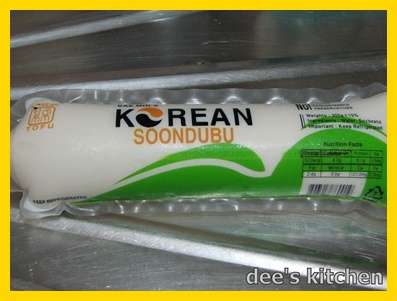
Soondubu is an extra soft tofu usually used in stew. It slightly harder than "taho" but much much softer than our regular tokwa. You can actually eat it like this because unlike our tofu, it doesn't have a stinky smell. As far as I can tell, our pinoy tokwa is a years-old tofu left over in your fridge because you have no use for it. Also, it's noteworthy to say that soy products are good for your health. You can perk up a soup simply by adding tofu to it.
This particular brand is available at SM Supermarket.